Ship oneAI‑nativeworkflow first.
BuildModal embeds with your team, finds the highest-leverage workflow, and ships the agent or tool that makes it run. Start small, prove the value, then expand.




Built AI systems for Nike, Mr. Cooper, and Levi's. Trained teams at Meta, Salesforce, and IBM. Now packaged for teams starting with one high-leverage workflow.
Strategy and engineering, one accountable team.
We do not start with models. We start with the workflow where speed, margin, conversion, or quality can move.
We map the workflows, data, constraints, and ROI so the first AI build is tied to a real business outcome.
- KPI & constraint diagnostic
- Workflow and data map
- Use-case priority stack
- Build plan with ROI logic
We design, build, and deploy the agent, model, automation, or internal tool into your existing stack.
- One production workflow live
- Human review loop
- You own the code & the IP
- Training and runbook handoff
Three ways to turn AI into operating leverage.
Pick the shape that matches your stage. Small teams get a partner who ships the first workflow. Larger teams get a scoped sprint or pod around the business outcome.
For founders and lean operators who need an AI lead plus builder before they hire a full team.
- Operating map in week one
- First workflow live in 30 days
- Fractional AI lead plus builder
- Monthly adoption and ROI review
For teams with one urgent bottleneck and enough signal to ship a production workflow now.
- 1 production workflow shipped
- Agent, model, automation, or tool
- Deployed on your stack
- You own the code & the IP
- Runbook and operator training
For companies ready to build repeatedly around one business outcome, with governance and security in the loop.
- Senior AI lead and engineering pod
- Architecture, data, and security review
- Quarterly roadmap and executive reviews
- Build, measure, and expand by workflow
From messy workflow to live system in 6‑10 weeks.
Find the metric.
Margin, cycle time, qualified leads, throughput, retention, or cost-to-serve. The workflow has to move a number.
Map the loop.
People, systems, data, approvals, exceptions, and handoffs. This is where useful AI is designed.
Choose the pattern.
Classical ML, optimization, RAG, voice, automation, internal tool, or agent orchestration. Whatever the workflow needs.
Ship into your stack.
No forced migration. The code, IP, and deployment stay with you.
Measure and hand off.
Train operators, document the workflow, track adoption, and decide what to build next.
Proof from systems that left the deck.
Lean teams see how the first workflow goes live. Enterprise teams see how governed systems work inside complex operations.
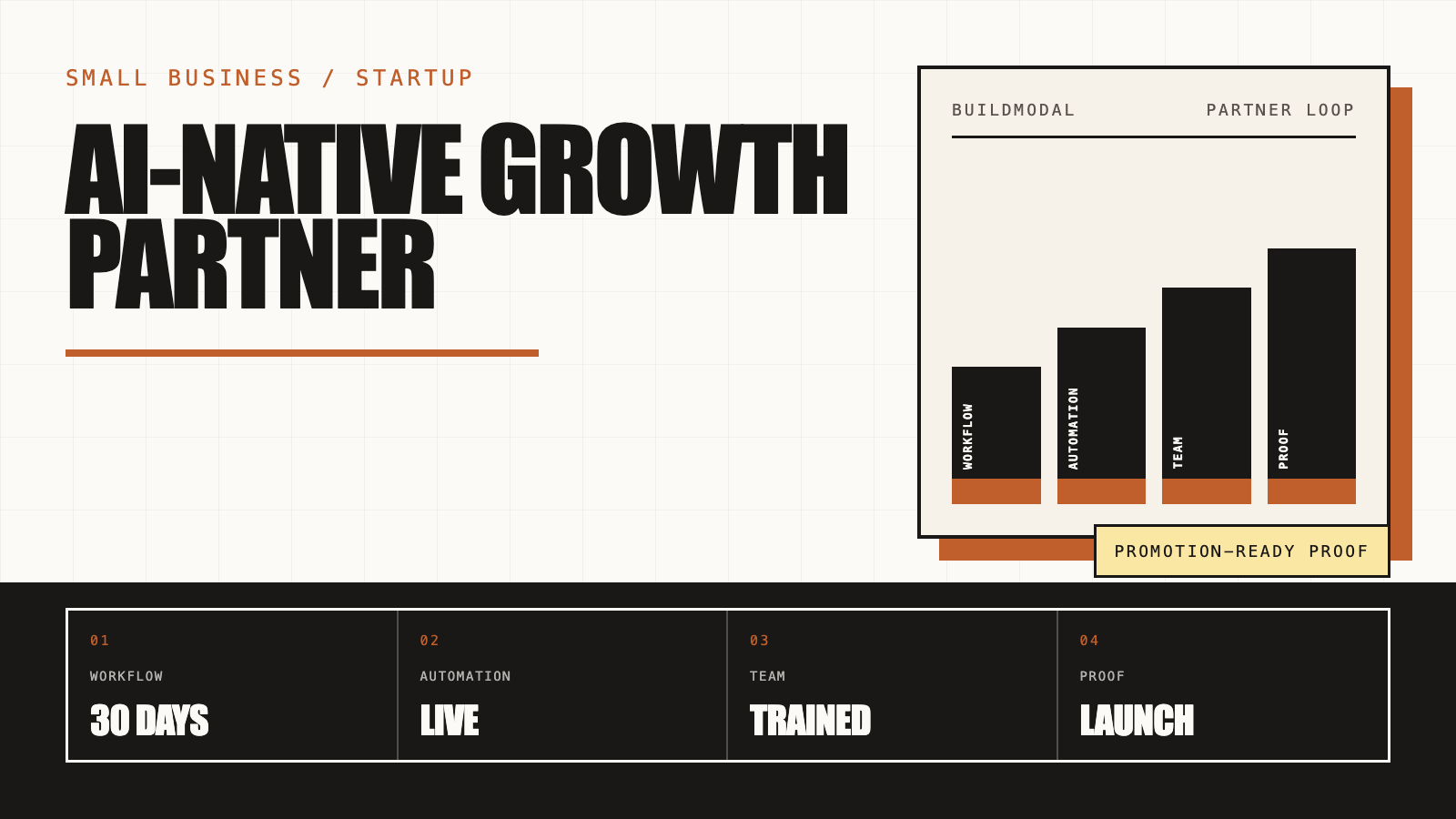
Turning a lean operator into an AI-native business without hiring a full AI team
The first win was not a giant transformation program. It was a focused operating system: find the highest-leverage workflow, ship it, train the team, and turn the result into growth proof.
Read case study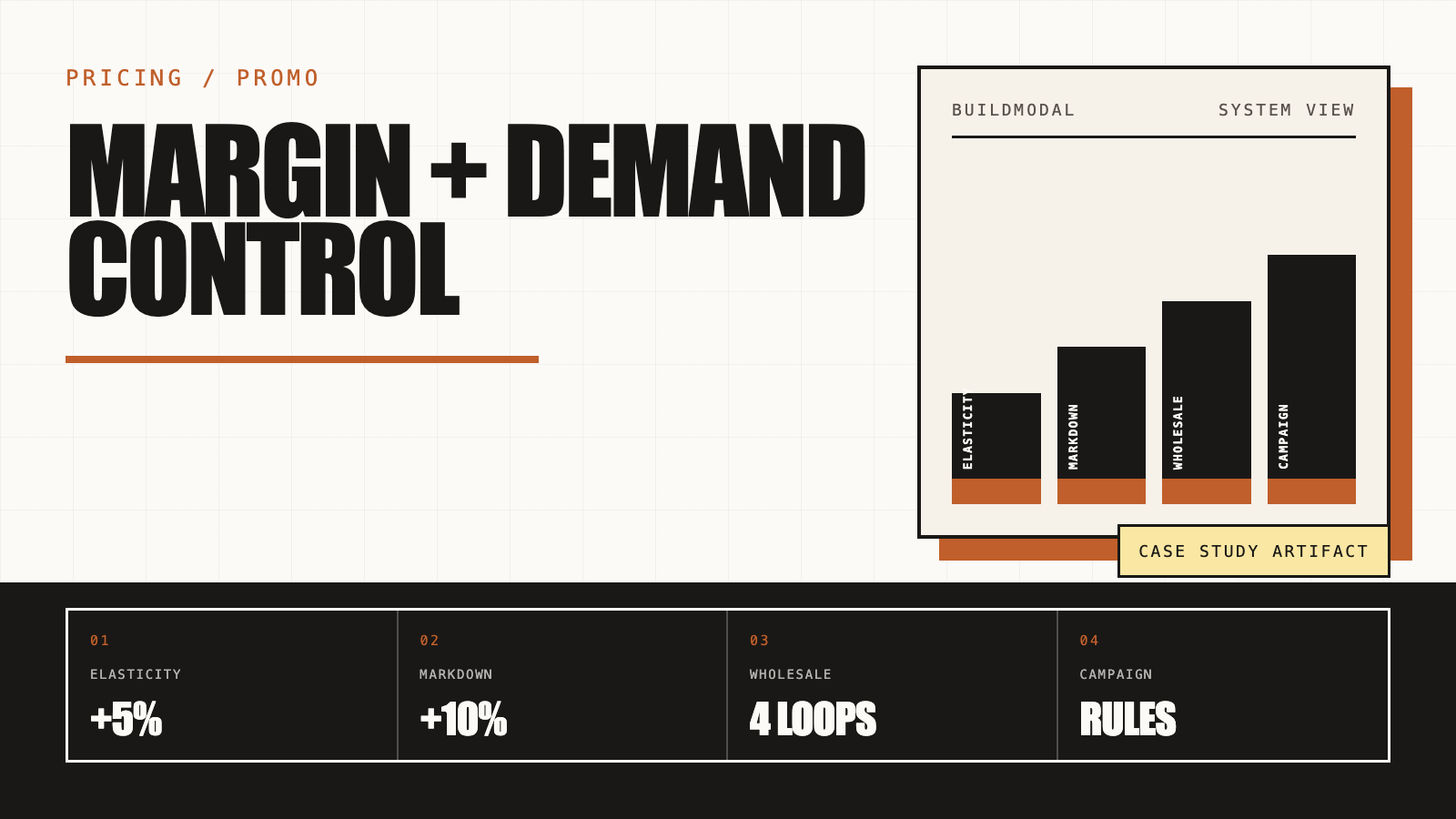
Building a price and promotion system that moved margin and demand together
A margin problem was not treated as a dashboard problem. The work became an operating layer for price, markdown, wholesale, and seasonal campaign decisions.
Read case study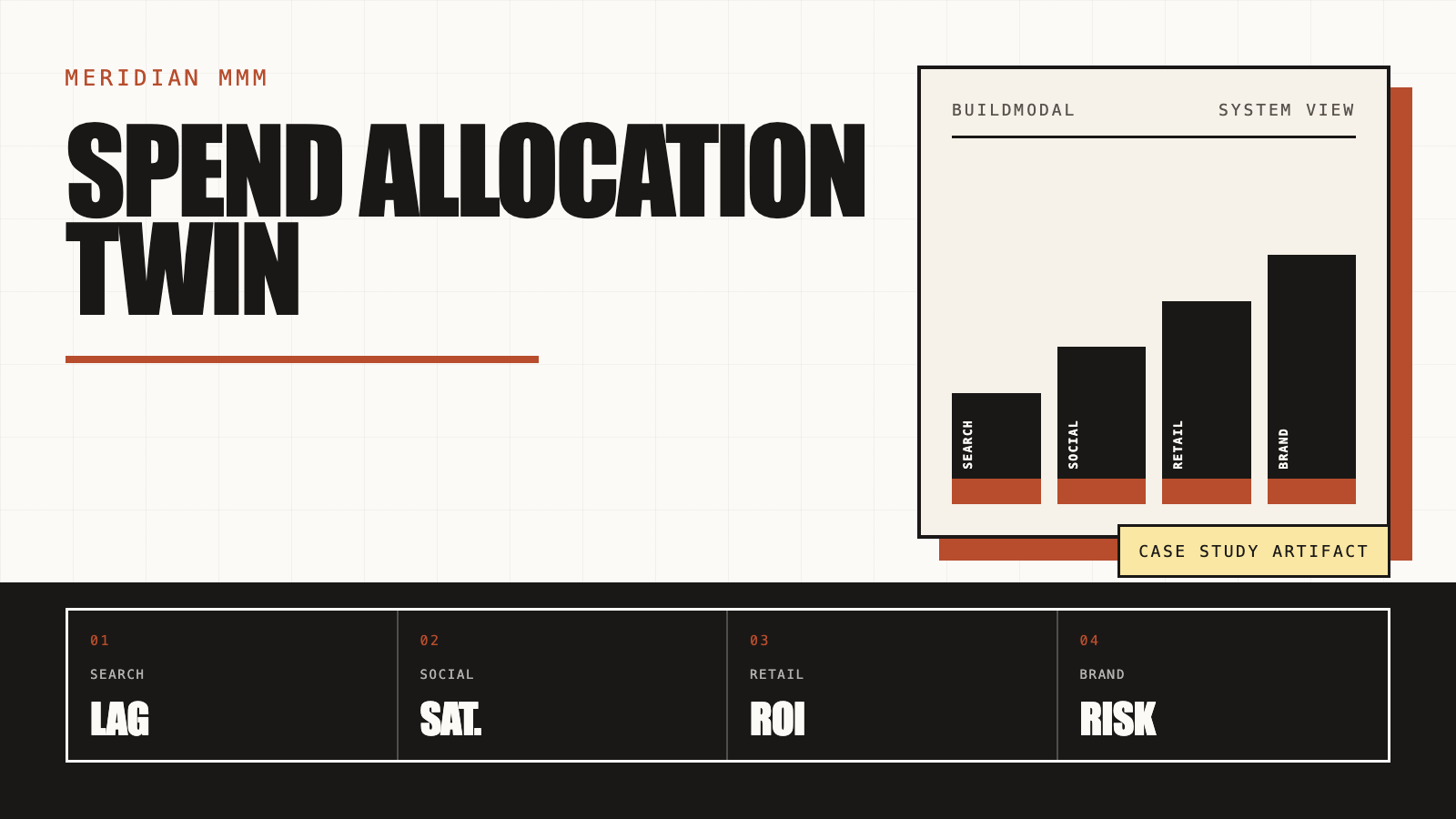
Turning marketing mix modeling into an executive planning system
The goal was not another attribution report. It was a reusable planning layer that could forecast demand, allocate spend, and explain the tradeoffs behind every plan.
Read case study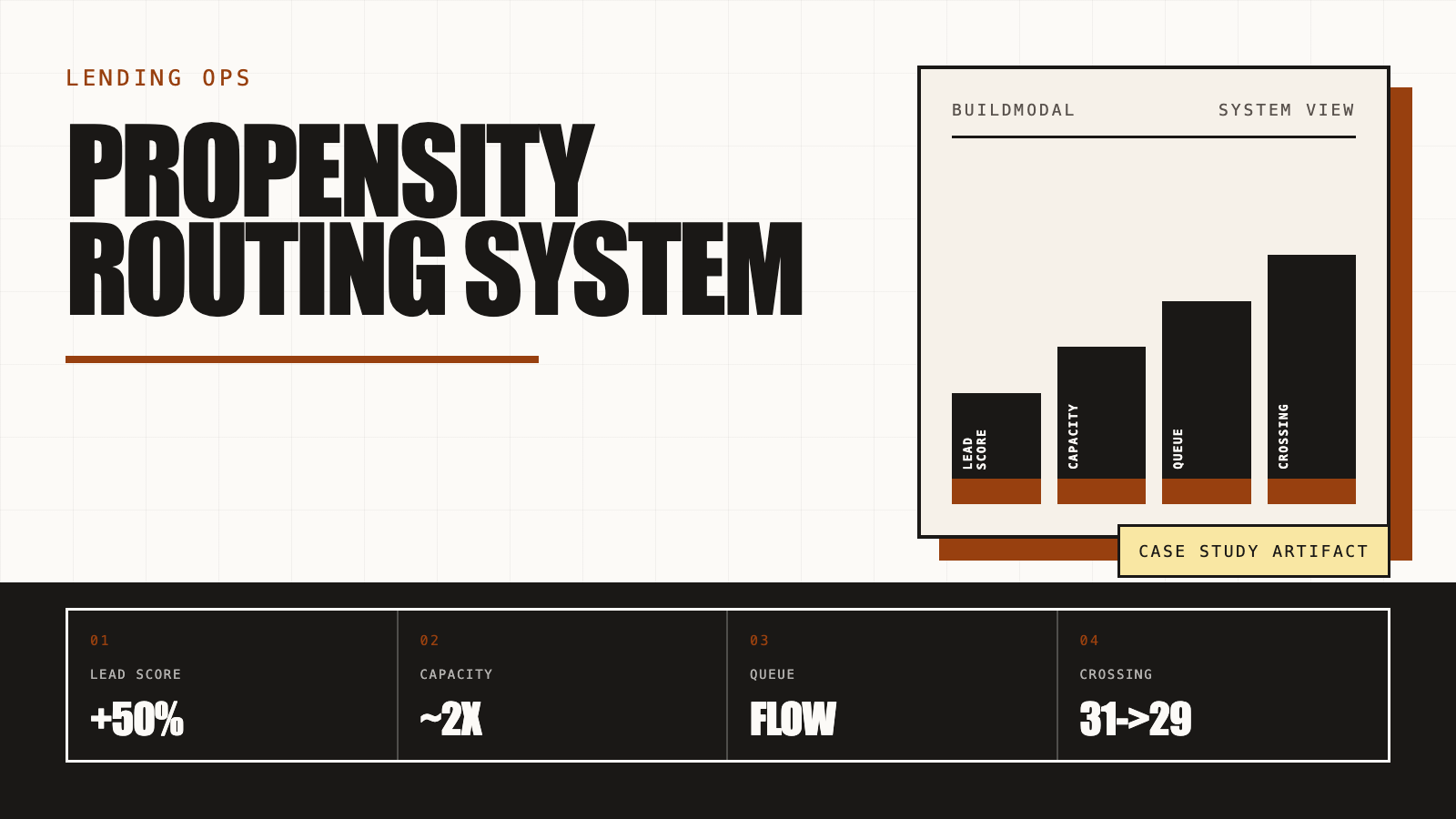
Propensity and throughput models for a lending operation that needed cleaner signal
Classical machine learning still wins when the problem is ranking, routing, and cycle-time reduction. This build improved lead quality and shortened operational crossing time.
Read case study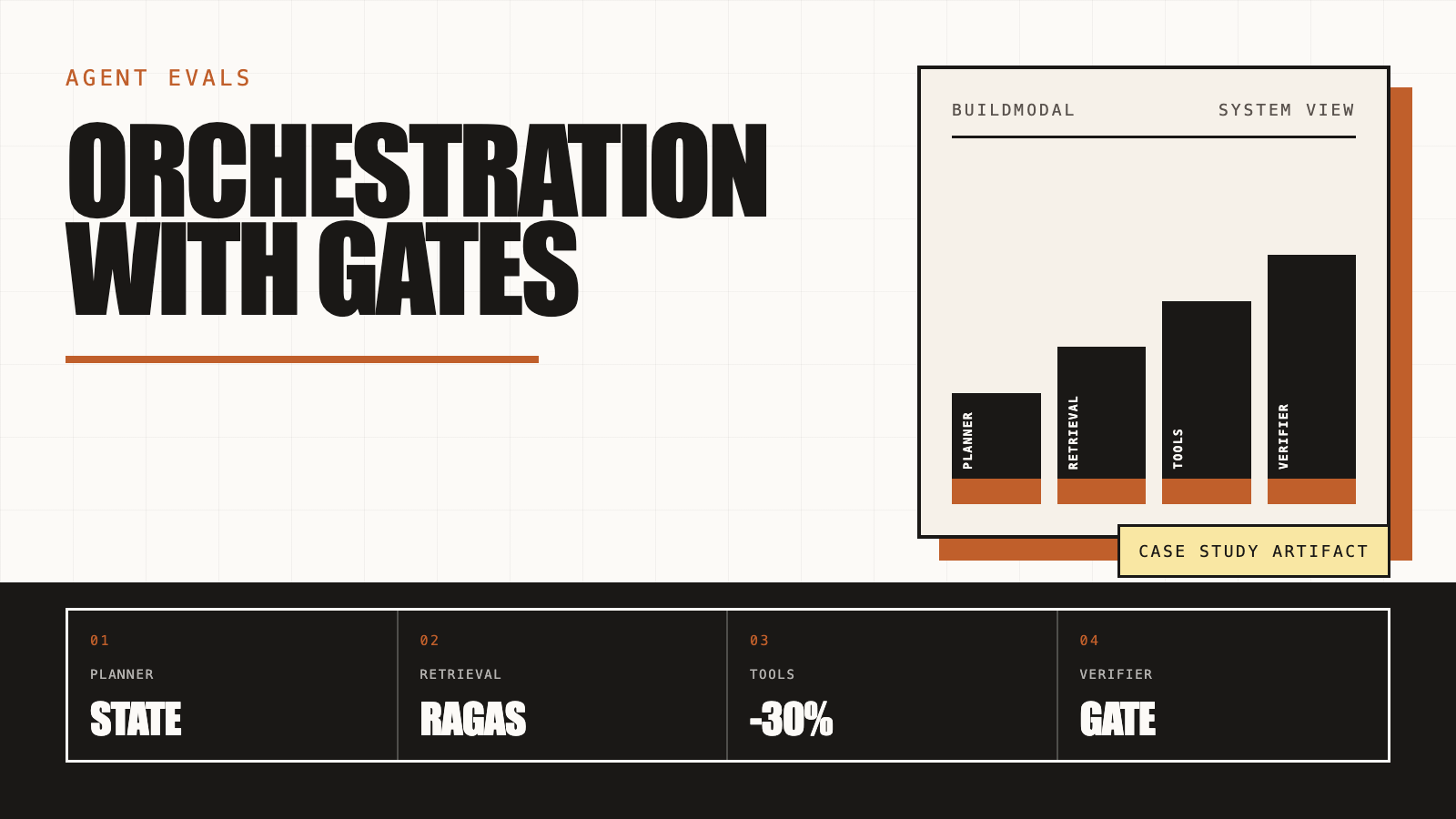
A multi-agent orchestration layer with evals before autonomy
The work centered on making agents cheaper, more reliable, and easier to test before they touched real customer workflows.
Read case studyA 25‑minute call to pick the first workflow.
Bring one slow, manual, or expensive workflow. We will pressure test the use case and tell you the cleanest next step.
- Where the workflow is stuck today
- What data, tools, and people it touches
- Whether it fits a partner retainer, sprint, or pod